Cart
Your shopping cart doesn't have any products yet!
Free shipping worldwide within 5 days - Delivery in about 20 days

Your shopping cart doesn't have any products yet!
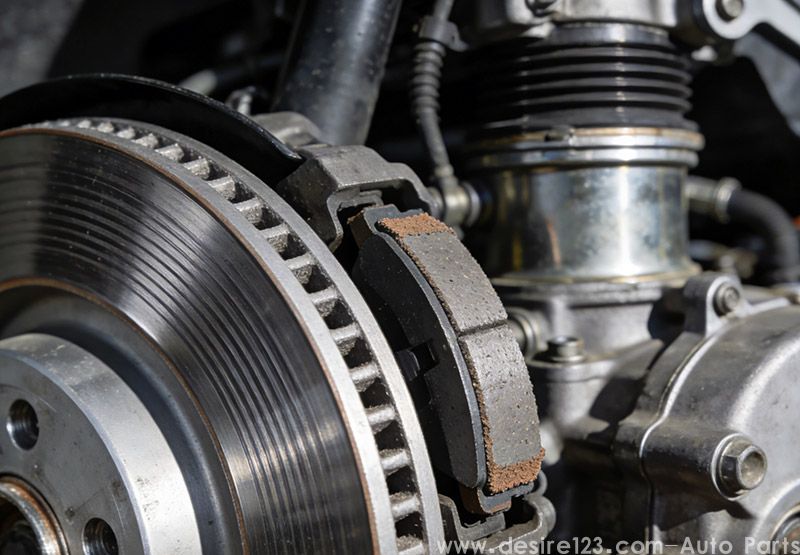
Amidst the global automotive industry's transition towards electrification and intelligence, the auto parts industry is undergoing profound restructuring andupgrading, emerging as a core force supporting the high-quality development of the automotive industry. The auto parts industry today has long broken away from traditional patterns, exhibiting distinct characteristics of "coexistence of tradition and emerging trends, and progress of local and global efforts", and is revitalizing itself amidst opportunities and challenges.
Currently, the auto parts industry is experiencing a trend of polarization. Although the traditional fuel vehicle parts market is facing structural contraction, with declining demand for core components such as internal combustion engines and transmissions, the large vehicle parc still provides stable support for the wear parts market. At the same time, new energy and intelligent-related parts are experiencing explosive growth. Products such as three-electricity systems, lidar, and in-vehicle chips have become the core engines of industry growth, driving the industry towards high-end transformation.
China has become an important hub in the global auto parts industry, accounting for over 30% of global production, thanks to its complete industrial chain support, cost-effective advantages, and policy support. Industrial clusters such as the Yangtze River Delta and the Pearl River Delta have achieved efficient upstream and downstream collaboration. Local enterprises have not only gained a firm foothold in traditional parts sectors but also made breakthroughs inhigh-end areas such as the three-electricity system, gradually breaking their dependence on imports.
Digitalization and globalization have become significant trends in industry development. Digital tools optimize inventory management and order allocation, enhancing industry efficiency. Local enterprises expand into global markets through overseas factory establishment, mergers and acquisitions, and other means, achieving an upgrade from product exports to localized operations. In the future, with technological advancements and the deepening of green and low-carbon concepts, the auto parts industry will move towards a more intelligent, efficient, and environmentally friendly direction, writing a new chapter of high-quality development in industrial transformation.